
Selecting a Reliable Peptide Supplier
In the peptide ecosystem, the supplier is the foundation of every successful brand. A single impurity or an undocumented change in raw‑material origin can jeopardize product safety, trigger regulatory scrutiny, and erode the trust you’ve built with clinicians and research subjects. Choosing a supplier who consistently delivers high‑quality material, transparent documentation, and reliable logistics is therefore non‑negotiable for any entrepreneur launching a Research Use Only (RUO) peptide line.
Why Supplier Credibility Matters
Credibility translates directly into three core business outcomes: product integrity, regulatory compliance, and profitability. When a supplier adheres to recognized standards, you can confidently label your product, assure your customers of batch‑to‑batch consistency, and avoid costly recalls or FDA warning letters. Moreover, reputable manufacturers often have established relationships with analytical labs, which speeds up certificate issuance and reduces lead times—critical factors when you’re racing to market.
Essential Qualifications Checklist
- GMP Certification – Verify a current Good Manufacturing Practice certificate from a recognized body (e.g., ISO 22716, FDA‑registered, or EU‑GMP). The certificate should be specific to peptide synthesis, not a generic cosmetics GMP.
- Batch Testing Protocols – The supplier must perform in‑process testing (e.g., HPLC purity, mass‑spec verification) for every batch and provide a detailed batch record.
- Analytical Certificates – Look for a Certificate of Analysis (CoA) that includes purity %, assay, residual solvents, and endotoxin levels. Third‑party lab verification adds an extra layer of confidence.
- Traceability – Each peptide should be linked to a unique lot number, raw‑material source, and synthesis route. This traceability is essential for any future audit.
- Regulatory Documentation – Ensure the supplier can furnish a full dossier for RUO labeling, including safety data sheets (SDS) and a clear statement that the product is not for human consumption.
Assessing Capacity, Lead Times, and Pricing
Beyond compliance, a supplier must align with your operational cadence. Ask for the following metrics:
- Manufacturing Capacity – Can the facility scale from a few grams to kilogram‑scale runs without compromising quality?
- Lead Times – Typical synthesis to release time for standard peptides (often 2‑4 weeks) and for custom sequences (usually 4‑6 weeks). Shorter lead times improve cash flow and inventory turnover.
- Pricing Structure – Request a tiered price list that distinguishes between small‑batch (research‑scale) and bulk (commercial‑scale) orders. Transparent pricing helps you model margins accurately.
Red Flags to Watch For
- Unverified claims such as “100 % purity guaranteed” without supporting CoA.
- Lack of third‑party testing or reliance on internal lab results only.
- Ambiguous origin of raw materials—no supplier disclosure for amino acids or reagents.
- Absence of a current GMP certificate or an expired one.
- Unusually low prices that seem too good to be true; they often indicate sub‑par synthesis or hidden costs.
Supplier Comparison Worksheet
To streamline decision‑making, create a side‑by‑side matrix that scores each potential partner against the criteria above. The worksheet below illustrates a practical layout you can replicate in Excel or Google Sheets.
| Supplier | GMP Certified? | Batch Testing (Yes/No) | CoA Provided | Traceability | Lead Time (weeks) | Price / g (USD) | Notes / Red Flags |
|---|---|---|---|---|---|---|---|
| Supplier A | ISO 22716 | Yes | Yes (3rd‑party) | Full lot‑level | 3 | 150 | None |
| Supplier B | Expired | No | No | Partial | 2 | 95 | Missing CoA |
| Supplier C | FDA‑registered | Yes | Yes (in‑house) | Full | 5 | 130 | Long lead time |
Real‑World Evaluation Example
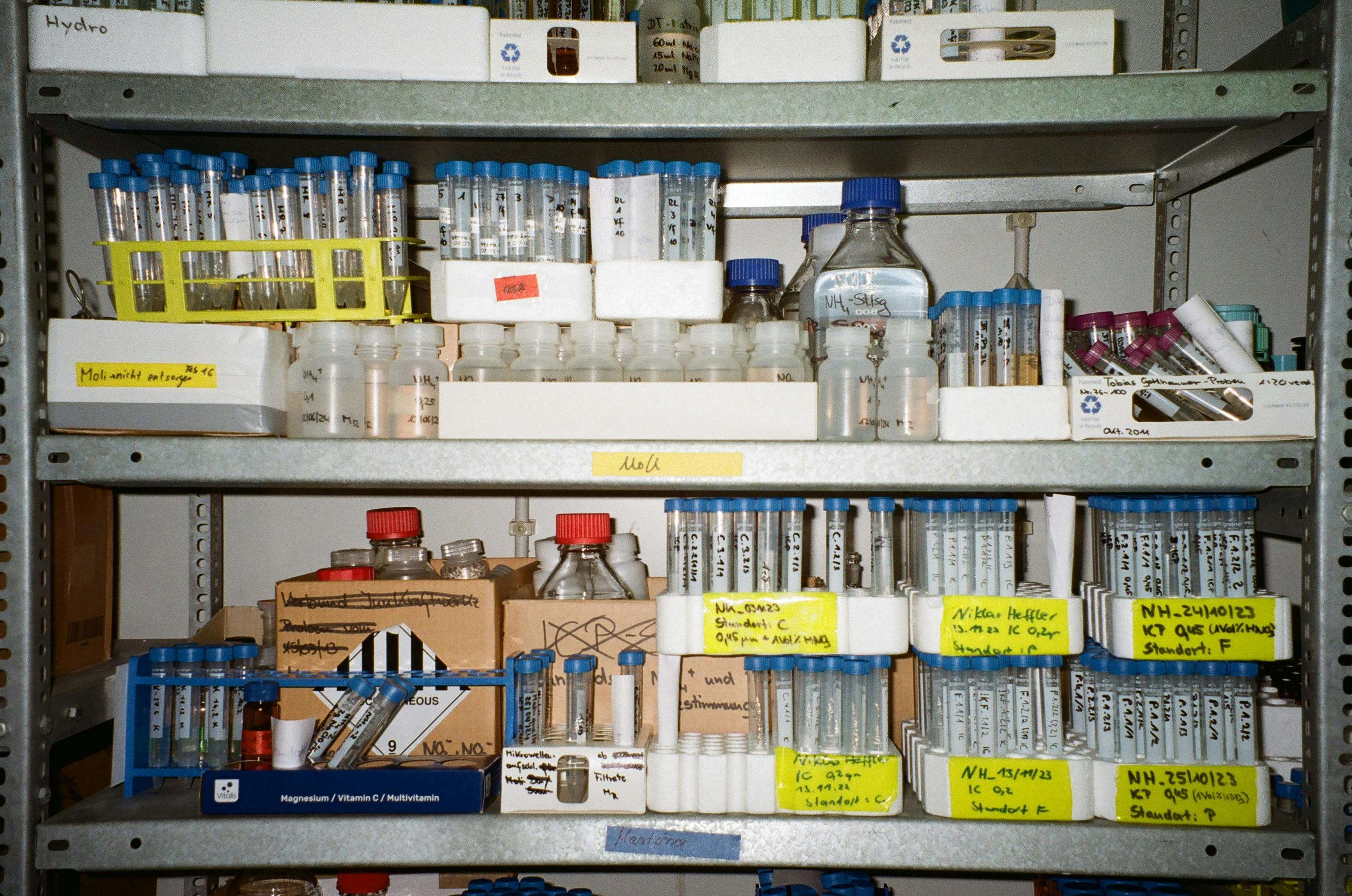
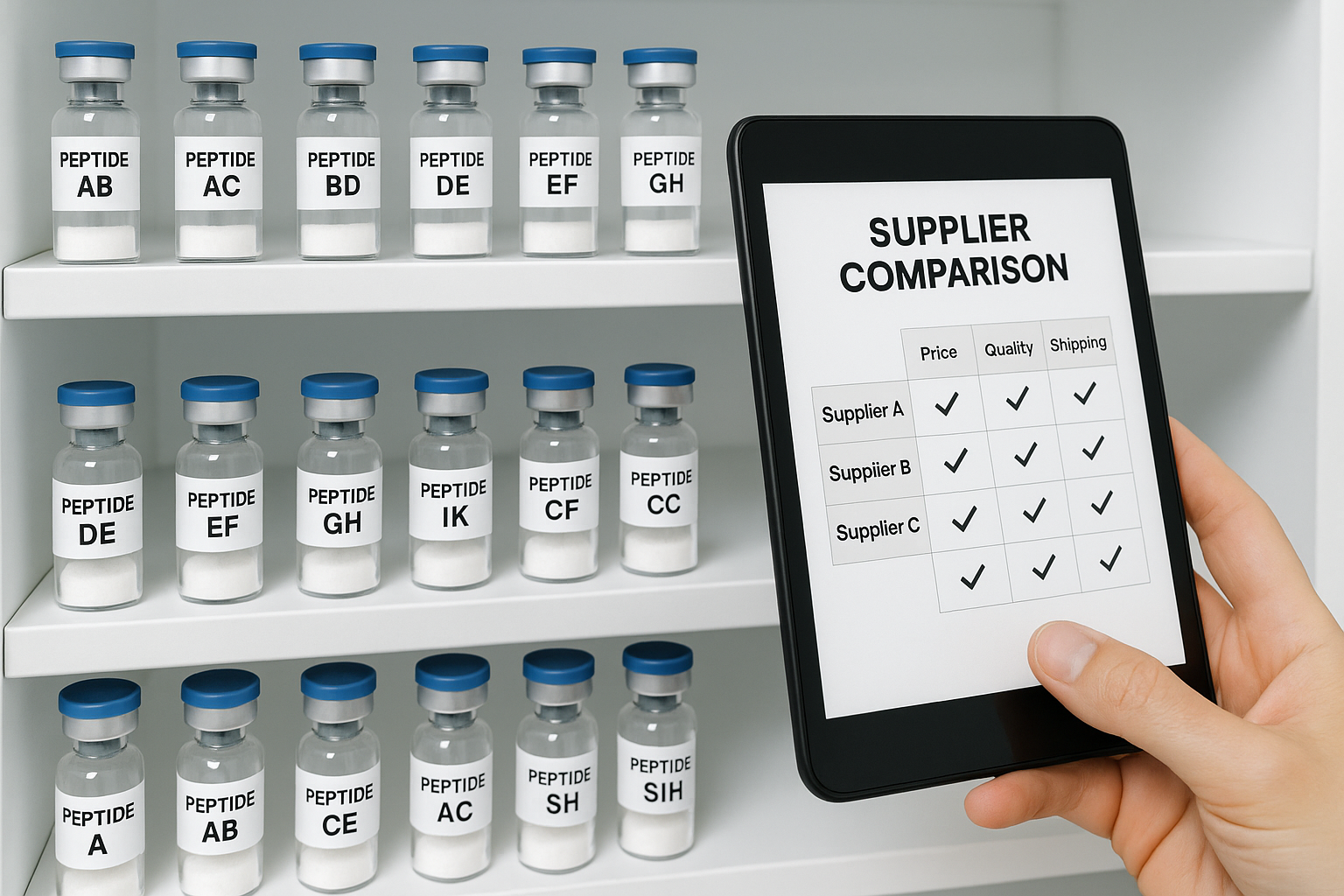
The figure below captures a typical supplier audit snapshot used by clinics that partner with YourPeptideBrand. Notice how the checklist items are ticked, the CoA excerpts are highlighted, and any red‑flag comments are clearly annotated. Replicating this visual audit in your own workflow ensures you never overlook a critical compliance point.
Designing Your Brand Identity and Packaging
Core Elements: Name, Logo, and Tagline
When clinicians and entrepreneurs launch a peptide line, the first impression comes from the brand name, logo, and tagline. A clear, memorable name signals professionalism, while a logo that incorporates clean lines or subtle molecular motifs reinforces scientific credibility. The tagline—e.g., “Precision Peptides for Research‑Driven Clinics”—should succinctly convey trust, compliance, and the research‑only nature of the product.
Label Content: What Must Appear on Every Bottle
Regulatory guidelines demand specific information on each label. Include the following elements in a logical hierarchy:
- Product name – exact peptide designation (e.g., BPC‑157 10 mg).
- Batch number & lot code – for traceability and recall management.
- “Research Use Only” statement – mandatory disclaimer that the product is not for human consumption.
- Storage instructions – typically “Store at –20 °C. Protect from light.”
- QR code – links to a digital certificate of analysis, safety data sheet, and usage guidelines.
Using a clean typographic hierarchy (bold for headings, regular weight for details) ensures that critical information is instantly readable, even on a small bottle.
Choosing Packaging Materials for Peptide Stability
Peptides are sensitive to light, oxygen, and moisture. Selecting the right container preserves potency and extends shelf life:
- Amber glass vials – provide superior UV protection and are chemically inert, ideal for long‑term storage of lyophilized peptides.
- HDPE (high‑density polyethylene) bottles – lighter and shatter‑resistant, suitable for liquid formulations that are less light‑sensitive.
- Desiccant packs – placed inside the bottle or packaging box to control humidity, especially for peptides stored at room temperature.
Match the container to the peptide’s stability profile; for most research‑grade peptides, amber glass with a desiccant is the safest default.
YPB’s On‑Demand Label Printing and Custom Bottle Options
YourPeptideBrand (YPB) eliminates the need for large inventory runs. Through its on‑demand label printer, you can upload a high‑resolution design and receive a printed label within 24 hours. The system automatically inserts batch numbers, QR codes, and compliance text, reducing manual errors.
Custom bottle options include:
- 30 ml amber glass vials with screw‑cap safety seals.
- 50 ml HDPE bottles with tamper‑evident shrink bands.
- Pre‑filled kits that combine multiple peptides in a single shipping box.
All options are dropshipped directly to your customers, so you never hold inventory and can scale instantly.
Creating a Cohesive Visual System
Consistency across digital and physical touchpoints builds brand recognition. Align the color palette, typography, and graphic motifs used on your website, marketing emails, and social media with the label and bottle design. For example, if your logo features a teal gradient, apply the same hue to call‑to‑action buttons and the label’s background strip.
Use a style guide that outlines:
- Primary and secondary colors (hex codes).
- Approved fonts and hierarchy (heading vs. body).
- Iconography rules – e.g., molecular icons only in monochrome.
- Image treatment – consistent lighting and background for product photography.
When each element follows the same visual language, customers instantly associate the packaging with your online presence, reinforcing trust and professionalism.
Illustration of a Finished Label and Bottle
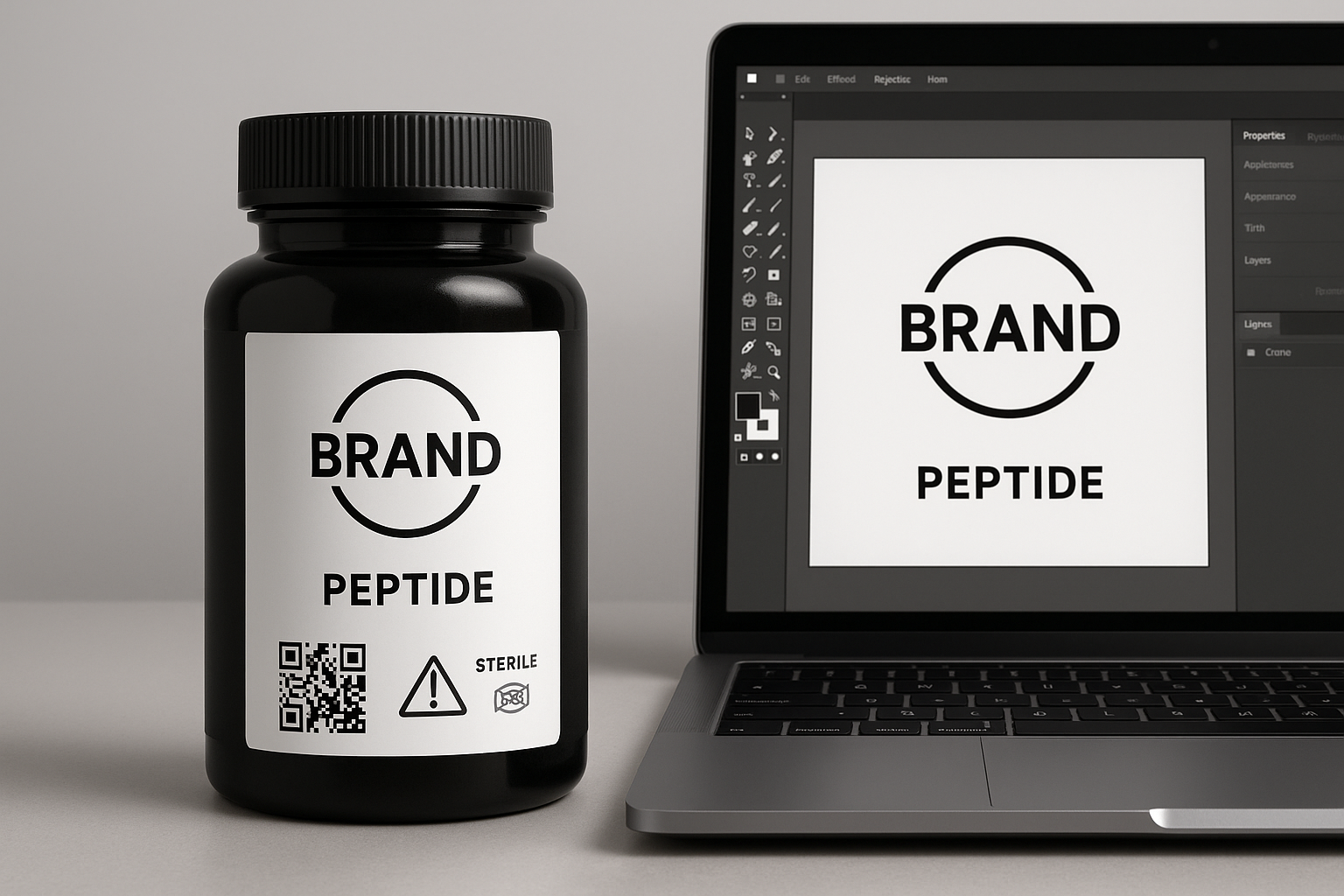
By integrating a scientifically credible name, a compliant label layout, stable packaging, and YPB’s on‑demand production, you can launch a peptide brand that looks professional, meets regulatory standards, and resonates with health‑focused clinicians. The cohesive visual system ensures that every interaction—whether a website visit or an unboxing experience—reinforces the same message: your brand delivers reliable, research‑grade peptides with the highest level of quality and compliance.
Navigating FDA RUO Compliance
Understanding the FDA’s Research Use Only (RUO) Guidance
The U.S. Food and compound Administration classifies peptides sold without therapeutic claims as Research Use Only (RUO) products. This designation is detailed in the FDA’s RUO guidance, which clarifies that manufacturers may sell these substances to qualified researchers, but they cannot be marketed for diagnosis, treatment, or supports healthy function.
For peptide entrepreneurs, the RUO label creates a legal pathway to distribute high‑quality research material while keeping the brand outside the stringent compound‑approval process. However, the FDA expects strict adherence to labeling, documentation, and record‑keeping standards to prevent misuse.
Mandatory Labeling Elements
Every RUO peptide must feature clear, unambiguous labeling. The following elements are non‑negotiable:
- “For Research Use Only” printed prominently on the primary label.
- A disclaimer stating that the product is not intended for human consumption, diagnosis, or treatment.
- Absence of any therapeutic claim, serving size recommendation, or suggested wellness support.
Failure to include any of these statements can trigger an FDA warning letter and jeopardize the entire brand.
Required Documentation and Record‑Keeping
Compliance extends beyond the label. The FDA expects a complete documentation package for each batch of peptide:
- Certificate of Analysis (CoA): Details purity, identity, and stability data verified by an accredited lab.
- Good Manufacturing Practice (GMP) certification: Proof that the manufacturing facility follows FDA‑recognized GMP standards.
- Shipping paperwork: Bill of lading, export/import permits (if applicable), and temperature‑control logs.
- Record‑keeping: Maintain batch records, CoAs, and GMP certificates for at least three years, accessible for FDA inspection.
Obtaining and Displaying a GMP Certificate – YPB’s Role
Securing a GMP certificate involves a third‑party audit of the peptide manufacturer’s facilities, SOPs, and quality‑control processes. Once awarded, the certificate should be:
- Scanned in high resolution and stored in a secure digital repository.
- Printed on the product’s secondary packaging or included as a QR‑code link on the primary label.
- Referenced in the product’s online listing and sales documentation.
YPB streamlines this workflow. Our compliance team coordinates the audit, obtains the certificate, and formats it for seamless integration into your branding assets, ensuring you never miss a required document.
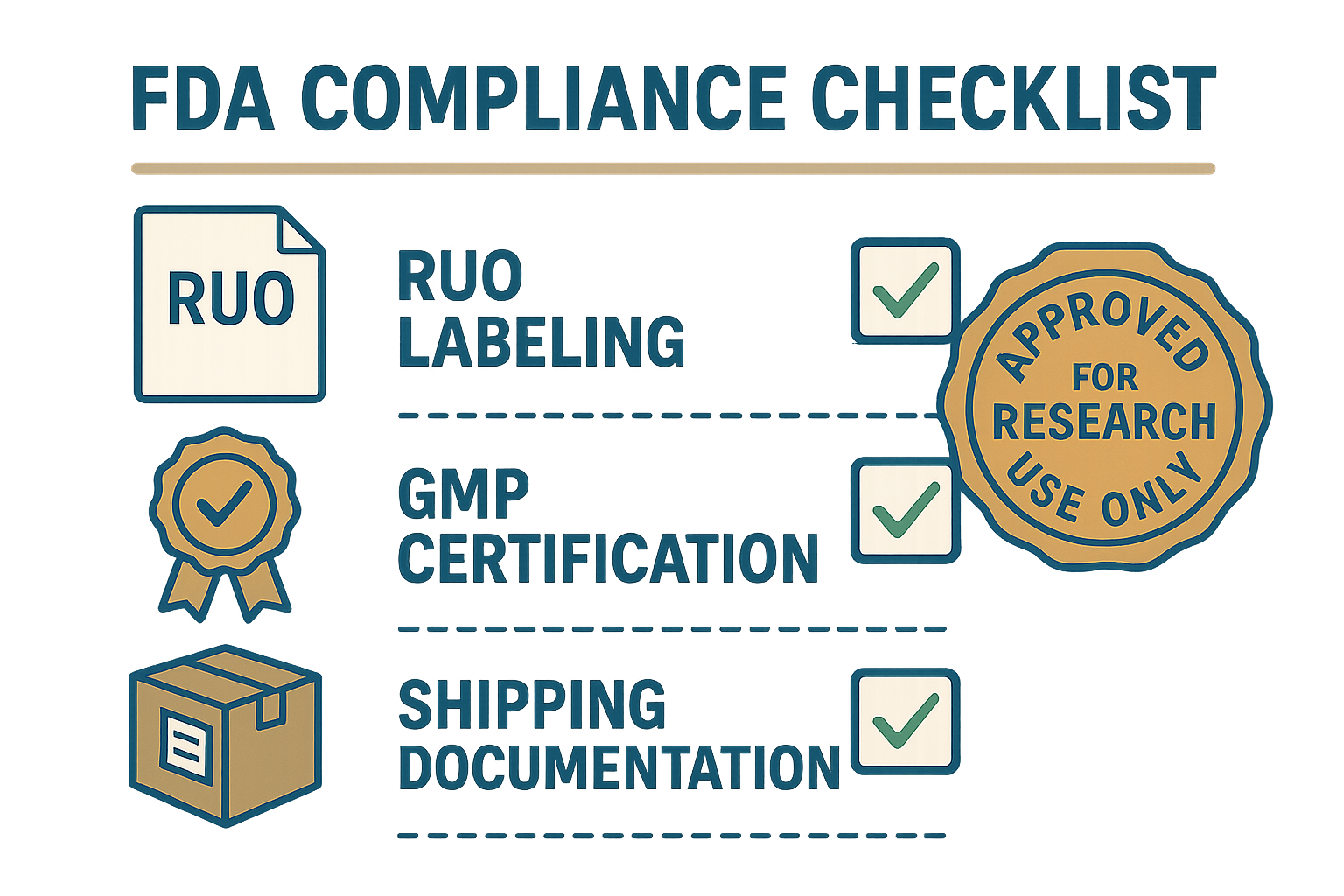
FDA Compliance Checklist Infographic – Section‑by‑Section Description
The infographic below breaks the compliance process into five clear stages. Each stage is represented by a colored block, making it easy to audit your operations at a glance.
- Stage 1 – Product Classification: Verify that the peptide meets RUO criteria; confirm no therapeutic claims are made.
- Stage 2 – Label Review: Ensure “For Research Use Only” and disclaimer text appear on every label version.
- Stage 3 – Documentation Assembly: Gather CoA, GMP certificate, and shipping paperwork; upload to the compliance portal.
- Stage 4 – Record Retention: Store all records electronically for a minimum of three years; set automated reminders for review.
- Stage 5 – Audit & Recall Preparedness: Conduct internal mock audits quarterly; maintain a recall plan with contact lists and product traceability steps.
Handling Audits, Adverse Event Reporting, and Recalls
When the FDA initiates an inspection, they will request the documentation outlined above. Be ready to:
- Present the latest CoA and GMP certificate within 48 hours of the request.
- Demonstrate traceability from raw material to final shipment.
- Show a written adverse‑event reporting procedure that logs any unexpected reactions observed in research settings.
Adverse events must be reported to the FDA’s MedWatch system within 15 days of discovery. Even though RUO products are not intended for human use, researchers may inadvertently expose themselves; a transparent reporting pipeline protects both the user and your brand.
In the rare event of a product recall, follow these steps:
- Issue an immediate recall notice to all distributors and customers, referencing the batch number.
- Provide a clear return‑shipping label and instructions for safe disposal.
- Document the recall process, including timelines and communications, for FDA review.
By treating audits, adverse‑event reports, and recalls as routine components of your quality system, you demonstrate a proactive compliance culture that builds trust with regulators and customers alike.
From First Order to First Sale – Marketing and Operations
1. Set Up Your E‑Commerce Platform
Choosing the right storefront is the foundation of any peptide brand. A modern, mobile‑responsive site built on Shopify, WooCommerce, or a dedicated SaaS solution gives you built‑in SSL encryption, tax calculation, and a library of compliant checkout apps. Connect a reputable payment gateway such as Stripe or PayPal, and configure multi‑currency support if you serve international clinics. Finally, add compliance banners that clearly state the product is for Research Use Only (RUO) and include links to your FDA disclaimer page. This transparency protects both you and your customers while building trust from day one.
2. Integrate YPB’s Dropshipping Service
YPB’s white‑label dropshipping eliminates the need for warehousing or order‑fulfillment staff. After linking your store’s API to YPB’s order‑routing portal, every purchase is automatically sent to the fulfillment center, where on‑demand label printing and custom packaging occur. Real‑time inventory visibility is displayed on your product pages, preventing overselling. Fulfillment timelines—typically 24‑48 hours for domestic orders—are communicated to customers via automated email notifications, reducing support tickets and enhancing the buying experience.
3. Build a Launch Funnel
Effective funnels combine education with a low‑friction entry point. Start by offering a gated whitepaper or a short video series on peptide science in exchange for an email address. Follow up with a series of nurture emails that showcase case studies, highlight YPB’s compliance safeguards, and invite prospects to a live webinar where you demonstrate product handling and answer regulatory questions. For clinics, a free sample program—limited to a few vials per practice—provides hands‑on experience and a compelling reason to place a first paid order.
4. Content Marketing Tactics
Authority in the peptide space is earned through consistent, science‑backed content. Publish weekly blog posts that dissect recent peer‑reviewed studies, translate complex mechanisms into clinic‑friendly language, and embed SEO‑rich keywords such as “research‑grade peptides,” “RUO peptide supply,” and “white‑label peptide dropshipping.” Complement articles with downloadable case studies that quantify cost savings when clinics switch from bulk purchasing to a branded YPB solution. Over time, this library fuels organic traffic, positions your brand as a trusted advisor, and shortens the sales cycle.
5. Track Early‑Stage KPIs
Monitoring the right metrics ensures you can pivot quickly during the launch window. Focus on the following key performance indicators:
- Order Volume: Total units sold in research protocols; reveals demand spikes after webinars or email blasts.
- Repeat Purchase Rate: Percentage of customers who place a second order within 30 days; a proxy for product satisfaction and brand loyalty.
- Customer Satisfaction (CSAT): Survey scores collected after fulfillment; helps identify packaging or shipping issues before they affect reputation.
- Cost‑per‑Acquisition (CPA): Marketing spend divided by new customers; guides budget reallocation toward the highest‑performing channels.
- Average Order Value (AOV): Revenue divided by number of orders; informs upsell strategies such as bundled peptide kits.
By aligning your e‑commerce setup, YPB dropshipping integration, launch funnel, and content strategy, you create a seamless path from the first inventory order to the first sale. Continuous KPI tracking then transforms that initial momentum into sustainable growth for your peptide brand.
Wrap‑Up and Next Steps with YourPeptideBrand
We’ve walked through the six critical pillars that turn a peptide concept into a market‑ready brand: deep market insight, rigorous supplier vetting, purposeful branding, iron‑clad compliance, streamlined operations, and targeted marketing. Each pillar removes a layer of uncertainty and builds a foundation for sustainable growth.
How YPB Clears the Path
- No Minimum Order Quantities (MOQ) – Order exactly what you need, when you need it, without tying up capital.
- Turnkey labeling & packaging – Custom designs are printed on demand, eliminating inventory waste and allowing rapid brand iteration.
- FDA‑aligned compliance – Our white‑label solution adheres to Research Use Only (RUO) regulations, so you stay on the right side of the law from day one.
By handling these traditionally time‑consuming tasks, YPB lets you focus on what matters most: delivering value to your research subjects and growing your practice.
Take the Next Step—No Pressure, Just Support
Ready to see how effortless a launch can be? Schedule a free, no‑obligation consultation with our specialist team, or dive straight into the YPB portal for instant quotes and real‑time inventory visibility. The process is designed to be frictionless, so you can move from idea to order within hours, not weeks.
Ongoing Partnership, Not a One‑Time Transaction
Our commitment doesn’t stop at the first shipment. YPB provides continuous regulatory updates, flexible packaging redesigns, and scalable production options as your brand expands. Whether you add new peptide families, open additional clinic locations, or shift to larger batch sizes, we adapt with you.
In short, the roadmap is clear: follow the six steps, leverage YPB’s compliant white‑label platform, and let our experts handle the heavy lifting. Your brand’s success is a partnership, and we’re here to ensure every milestone is met with confidence.