For research use only. Not for human consumption, diagnostic, or potential wellness benefit.
What Is Peptide Dropshipping?
Peptide dropshipping is a B2B fulfillment model where an entrepreneur sells research-grade peptides under their own brand while a wholesale supplier handles manufacturing, third-party lab testing, labeling, packaging, and shipping. The reseller never holds inventory. YourPeptideBrand (YPB) provides this white-label model with on-demand label printing, custom packaging, and direct dropshipping with zero minimum order quantities.
The global research peptide market was valued at $140.9 billion in 2025 and is projected to reach $294.6 billion by 2033, growing at an 8.7% CAGR, according to Grand View Research. That scale creates strong demand for reliable dropshipping partners, but not all suppliers operate the same way.
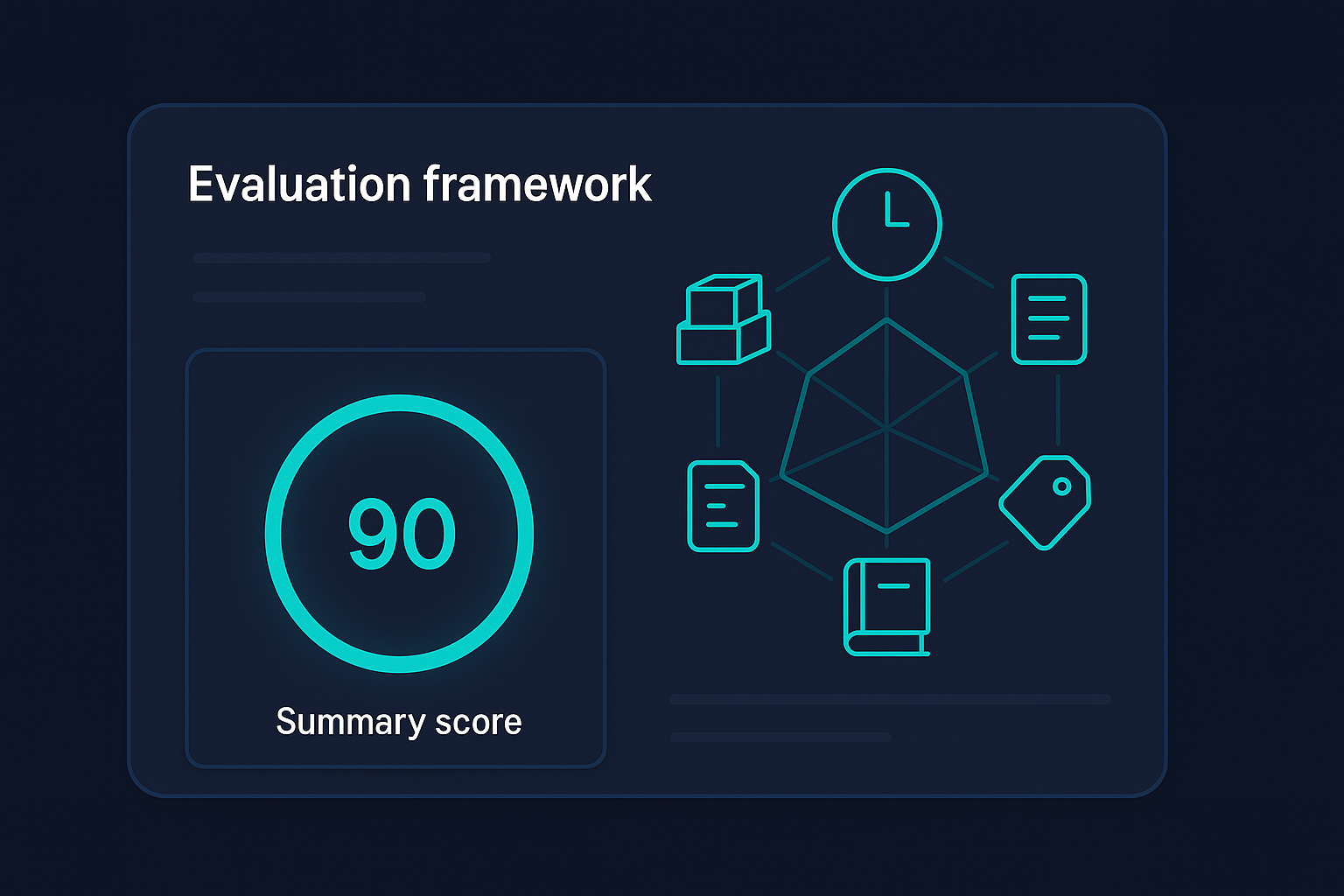
Comparing peptide dropshipping companies requires a structured framework that starts with two criteria: fulfillment speed and minimum order quantities. Other factors – COA rigor, branding support, labeling flexibility, inventory risk, and shipping reliability – separate a partner that helps you scale from one that creates bottlenecks. This guide breaks down seven specific criteria to evaluate, whether you are a clinic owner buying in bulk or an entrepreneur building a branded RUO dropship business. For a full walkthrough of the fulfillment setup, see our step-by-step dropshipping guide. If you are still defining the wider offer, costs, compliance controls, and launch sequence, use the peptide business startup roadmap.
Criteria #1: Fulfillment Speed and Reliability
Fulfillment speed is the operational backbone of any research peptide dropshipping business. A delay of even one day erodes buyer trust and kills repeat orders. The benchmark is 24-hour fulfillment from receipt of order, with same-day shipping for orders placed before the daily cutoff (PeptideDropship, retrieved July 2026). Any slower, and your brand loses credibility.

Domestic vs. international shipping matters. US-based suppliers ship under your label in 1 – 3 days; international suppliers take 7 – 14 days (RapidFulfillment White Label Peptides Dropshipping). The faster option lets you retain control over customer expectations.
Entrepreneurs should order blind samples from any shortlisted supplier to verify real-world delivery time. Also check order accuracy: rates above 98% are the standard for reliable dropshipping operations (Inventory Source – How to Choose Reliable Dropshipping Suppliers Checklist, May 2026). Without these two metrics, your research peptide brand risks refunds and lost repeat business.
Criteria #2: Minimum Order Quantities
Minimum order quantities (MOQs) directly dictate inventory risk and cash flow. A supplier that requires 50 – 100 units per SKU locks up capital in stock that may not sell. For a clinic or entrepreneur testing a new research peptide, that overhead can eat margins before a single order ships.
A zero-MOQ partner removes that friction. YourPeptideBrand allows you to order even a single unit at wholesale pricing to validate demand before committing to volume. Suppliers that force bulk minimums create extra storage costs and slow down product iteration. With on-demand label printing, every vial – even a one-off – carries custom branding without a minimum.
As the dropshipping resource Do Dropshipping notes in its review of best private label dropshipping suppliers, low or no MOQ is a primary differentiator for lean operations. Zero-MOQ models let you scale up based on real demand, not guesswork.
Browse 60+ research peptides, each backed by a Certificate of Analysis. No minimum order required.
Criteria #3: Third-Party COA Testing and Quality Documentation
Every batch of research peptide you ship should come with a third-party Certificate of Analysis (COA). This document verifies identity and purity using high-performance liquid chromatography (HPLC) and mass spectrometry. The industry standard for purity is 99% or higher, and the COA should also screen for common contaminants like residual solvents or endotoxins.
Without a COA per lot, you have no way to confirm that the vial matches the labeled compound. A single uncertified shipment can damage a brand’s credibility with research buyers who rely on reproducible data. A COA provides an objective, lab-verified record that the peptide is what it claims to be.
As a dropship partner, YourPeptideBrand makes every batch’s COA publicly accessible. You or your customers can browse the COA Library to verify identity and purity for each lot number before fulfillment. This transparency removes guesswork and builds trust with every order, whether you are a clinic stocking for in-house research or an entrepreneur building a branded catalog.
Criteria #4: White-Label Branding and Customization + Criteria #5: Catalog Depth and Product Range
White-label fulfillment means the supplier remains invisible to the end customer. Your brand goes on every component: custom labels, vials, cartons, inserts, and even shipping packaging. A dropshipping partner that offers on-demand label printing lets you brand single units without minimums, which directly supports niche testing and low-risk product launches (Unify Dropshipping).
Customization options matter beyond the label. Tamper-evident seals, insulated mailers, and branded outer packaging signal professionalism and protect the product during transit. When the end customer opens the package, they see only your brand’s identity, not a third-party supplier’s markings. You own the brand and the customer relationship entirely.
Catalog depth is the second half of this equation. A supplier with a narrow selection forces you to source from multiple vendors, which multiplies compliance work, shipping logistics, and branding inconsistencies. A broader catalog of research peptide SKUs lets you centralize COA management, fulfillment, and brand presentation under one roof.
A partner carrying 60+ research peptide categories – wound healing, melanocortin, nootropic, NAD+ precursors, and others – reduces operational complexity. You can launch new products faster because labels, packaging, and testing protocols are already aligned with your brand specifications. For a deeper look at choosing which categories to enter, see our guide to evaluating peptide niche competition.
Ready to build your brand’s catalog?
Book a call with YourPeptideBrand to review custom packaging, on-demand labeling, and our full 60+ SKU research peptide range.
Criteria #6: Pricing Transparency and Margin Modeling
Transparent pricing lets you calculate your true cost per unit before you commit to a supplier. Hidden fees for labeling, packaging, or fulfillment can erase your margin. The table below compares how transparent and opaque suppliers typically handle these components.
| Pricing Component | Transparent Supplier | Opaque Supplier |
|---|---|---|
| Labeling Costs | Included in per-unit price | Charged separately per order |
| Packaging Costs | Included in per-unit price | Charged per unit plus setup fee |
| Dropshipping Fulfillment Fee | Single flat rate per order | Varies by carrier plus handling surcharge |
| COA Access | Free online library | Per-request fee |
| Minimum Order | Zero MOQ | 50 – 100 units per SKU |
Entrepreneurs can model their margins using tools like the YPB Profit Calculator. For more on purchasing strategies, see the bulk peptide buying guide.
Use the YPB Profit Calculator to estimate your per-unit costs and compare supplier pricing structures.
Criteria #7: Ecommerce Integration and Automation
The supplier you choose should integrate directly with the ecommerce platforms you already use. Shopify, WooCommerce, and BigCommerce are the most common setups for clinic owners and entrepreneurs selling research peptides. A supplier that connects through a native app or API eliminates manual order entry and reduces the chance of errors on every transaction.
Automated order routing is the key feature. When a customer places an order on your site, the supplier receives the details instantly, picks the correct research peptide, and prepares it for shipment. Real-time inventory syncing prevents overselling – your store shows only what is actually in stock. Shopify’s 2026 guide on private label dropshipping highlights how such automation lets brand owners focus on marketing and customer relationships instead of operational logistics.
Beyond fulfillment, integration should cover post-purchase follow-through. Automated shipping notifications and tracking numbers keep the buyer informed without extra work from you. For research peptide suppliers that provide Certificates of Analysis (COAs), automatic delivery of the COA PDF with each shipment saves time and reinforces compliance transparency. Every step that runs on its own is one less manual task in your daily operations.
For a deeper look at which ecommerce platform fits your model, read our guide on the best platforms for selling research peptides.
White-Label Opportunity: Synthesizing the 7 Criteria into a Decision Framework
The seven criteria covered above serve one practical purpose: they separate a vendor that treats you like a customer from a partner that treats you like a business owner. The right dropshipping partner transforms a recurring procurement expense into a branded product line with its own margin structure.
With a white-label arrangement, the entrepreneur sets the retail price, owns the customer relationship, and builds brand equity over time. The supplier handles the manufacturing, third-party testing, packaging, and fulfillment. That division of labor turns what would be a logistics burden into a scalable revenue channel. The research peptide market is projected to grow at an 8.7% CAGR over the next several years, which makes early brand positioning a strategic advantage for clinics and entrepreneurs entering the space (Easync, Private Label Dropshipping: Start & Scale in 2026).
For a step-by-step playbook on moving from supplier evaluation to a live storefront, see the white-label brand launch guide. To understand why U.S.-based sourcing matters for compliance and turnaround time, read the US research peptide supplier guide.
Frequently Asked Questions About Comparing Peptide Dropshipping Companies
What is the most important factor when comparing peptide dropshipping companies?
The most important factor is fulfillment flexibility. Many dropshippers impose bulk minimums or long lead times. Look for a supplier that offers no minimum order quantities and true on-demand dropshipping. This lets you test the market without tying up capital in inventory you may not move quickly.
How do minimum order quantities affect my business?
High MOQs force you to commit to large batches before you have proof of demand. That ties up cash and carries the risk of unsold stock. A dropshipper with zero MOQ lets you order only what your brand sells, improving cash flow. You can calculate how margin scales using an online profit calculator to model different volume scenarios.
What should I look for in terms of product quality?
Every batch of research peptide should be accompanied by a third-party Certificate of Analysis (COA). The COA verifies identity, purity, and potency. Without it, you cannot assure your customers of reproducibility in their in vitro or in vivo studies. A supplier that publishes COAs for every lot demonstrates transparency you can trust.
How important is labeling and packaging customization?
Custom labeling is critical for brand differentiation. You want vials that carry your logo, brand colors, and required RUO labeling. A dropshipper that prints and applies custom labels on-demand eliminates the need to handle physical inventory yourself. This allows you to launch a professional-looking product line without a warehouse.
How do shipping times compare between different dropshipping suppliers?
Shipping speed varies widely. Some suppliers fulfill from overseas with long transit times; others offer faster domestic shipping. A US-based dropshipper with on-demand fulfillment typically ships within one to two business days. This reduces wait times for your research customers and keeps your supply chain simple.
Can I test the quality of research peptides before committing to a supplier?
Yes. Many reputable dropshippers offer sample vials or small trial orders. Because they have no MOQ, you can purchase a single unit of any research peptide in their catalog. You can then have it independently tested or verify the COA. This low-risk approach lets you assess both the product and the dropshipper’s reliability.
How do I evaluate the catalog size of a dropshipper?
Catalog breadth matters because it determines how many product lines you can offer under your own brand. Look for a supplier with at least 60 SKUs covering a range of research categories. A wide catalog lets you cater to different research protocols without sourcing from multiple vendors. YourPeptideBrand provides a catalog of over 60 third-party tested research peptides.
What kind of support should I expect from a peptide dropshipping partner?
You should expect clear communication about fulfillment timelines, COA access, and label proofing. The best partners provide a white-label dashboard where you manage orders and see real-time stock. A dedicated account manager who can answer questions about research peptide compliance and regulatory labeling is also valuable.
Ready to launch your own research peptide brand?
Book a free strategy call with our team to discuss your goals and learn how YPB’s no-MOQ dropship model works.
Last updated: July 2026