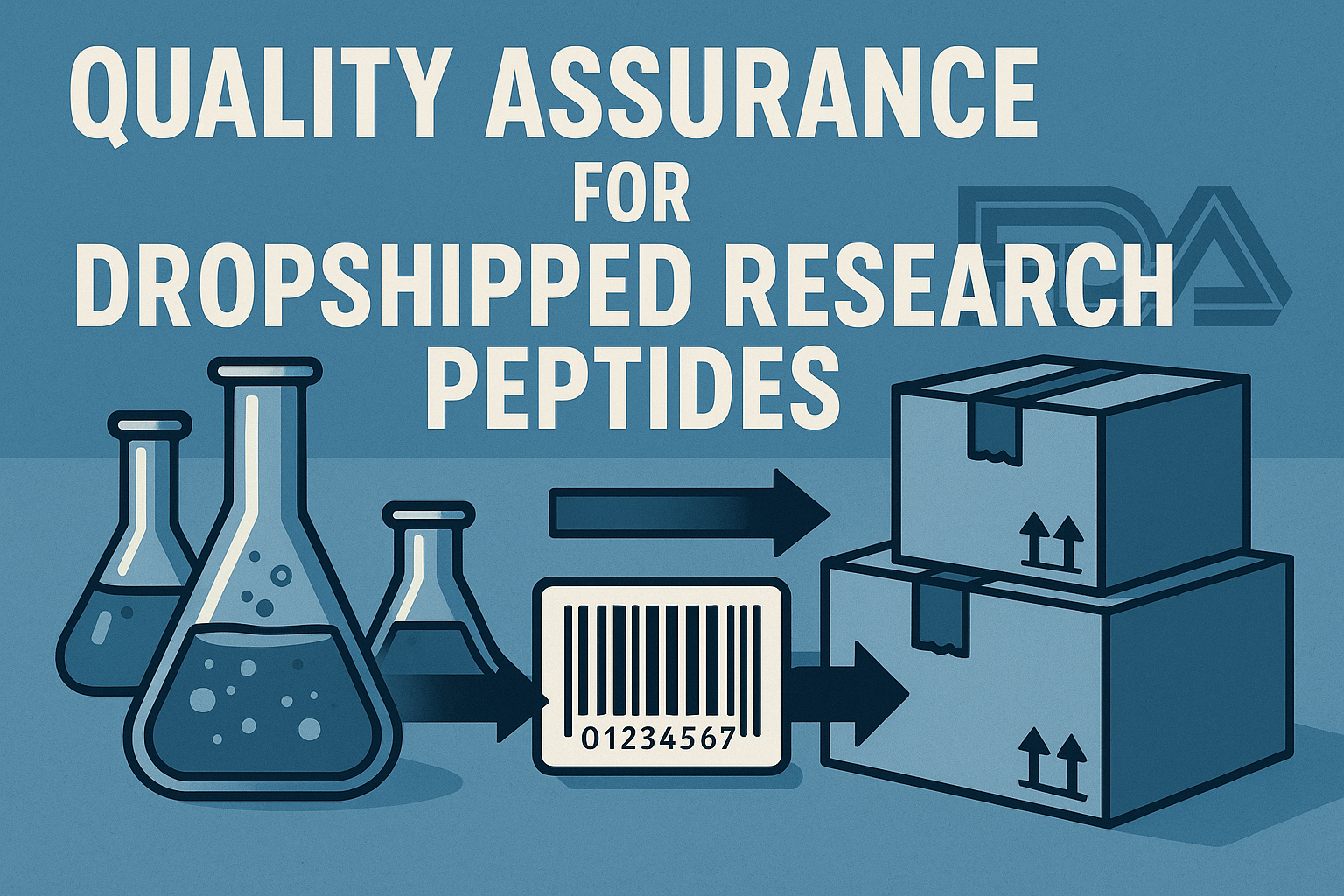
Why QA Matters in Dropshipped Research Peptides

In a landscape where research‑use‑only (RUO) peptides travel from a manufacturing site to a clinician’s doorstep via multiple intermediaries, quality assurance (QA) is the invisible safeguard that keeps the chain unbroken. Without a rigorous QA framework, the very purpose of these highly specific molecules—to enable reproducible scientific inquiry—can be compromised, jeopardizing data integrity, research subjects safety, and the credibility of the brand delivering them.
What Are RUO Peptides and the Regulatory Landscape?
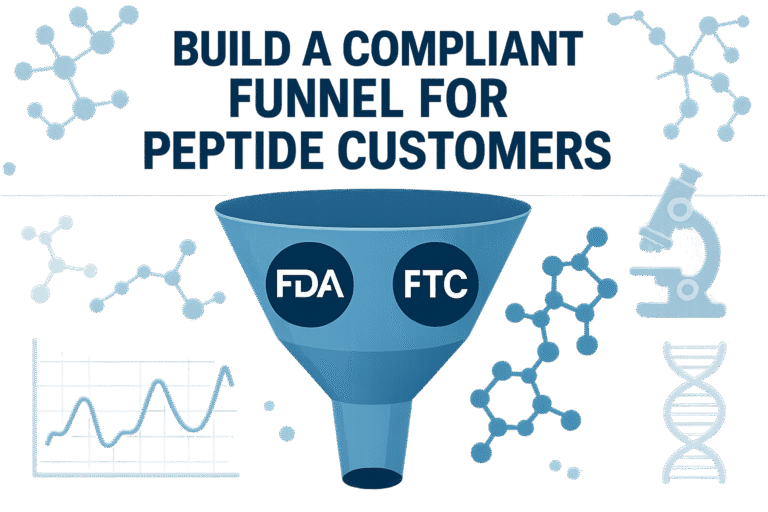
RUO peptides are synthetic amino‑acid chains intended exclusively for laboratory research, not for diagnosis, treatment, or human consumption. In the United States, the Food and Drug Administration (FDA) classifies them under the “research use only” exemption, meaning they are not subject to the same pre‑market approval process as therapeutic compound. However, the FDA still expects manufacturers to follow Good Manufacturing Practices (GMP) to ensure each batch meets defined purity, potency, and sterility specifications. Compliance with GMP and adherence to FDA guidance are the baseline standards that any reputable dropshipping operation must uphold.
Risks of Inadequate QA in a Dropshipping Model
When QA is weak or inconsistent, the distributed nature of dropshipping amplifies several hazards. Contamination can occur at any node—during storage, repackaging, or transit—introducing microbial or chemical impurities that invalidate experimental results. Potency loss is another common issue; peptides are temperature‑sensitive, and exposure to sub‑optimal conditions can degrade their activity, leading to misleading dose‑response curves. Mislabeling, whether accidental or due to poor inventory control, can send the wrong peptide to a researcher, potentially skewing an entire study. Collectively, these failures erode trust, expose clinicians to liability, and can damage a brand’s reputation beyond repair.
How a Robust QA System Protects Stakeholders
A comprehensive QA program acts as a multi‑layered shield for clinicians, research subjectss, and the brand itself. For clinicians, it guarantees that the peptide they receive matches the certificate of analysis (CoA), preserving experimental fidelity and research subjects safety when the research informs clinical decisions. For research subjectss, especially in academic or early‑phase trials, reliable QA minimizes exposure to unintended contaminants or sub‑potential wellness benefits. Finally, for the brand, consistent QA reinforces market credibility, differentiates the company in a crowded space, and reduces the risk of regulatory scrutiny or costly recalls.
Preview of the End‑to‑End QA Workflow
The forthcoming sections will dissect an end‑to‑end QA workflow tailored for dropshipped RUO peptides. The process begins with supplier qualification, where raw material sources are audited against GMP criteria. It proceeds through in‑process testing—mass spectrometry, HPLC purity checks, and endotoxin assays—followed by batch release protocols that require documented CoAs and chain‑of‑custody records. After release, the workflow incorporates packaging integrity checks, temperature‑controlled logistics, and final verification at the point of drop‑ship. Each step is designed to catch deviations before the peptide leaves the warehouse, ensuring that every vial that arrives at a clinic meets the same exacting standards.
YPB’s Role in Delivering Compliant, White‑Label Dropshipping Solutions
YourPeptideBrand (YPB) builds its white‑label platform on this very QA foundation. By partnering with GMP‑certified manufacturers, implementing real‑time batch tracking, and offering on‑demand label printing that includes full CoA documentation, YPB removes the compliance burden from clinicians and entrepreneurs. The turnkey solution enables health‑care providers to launch their own peptide brand without compromising on safety or regulatory adherence, while the dropshipping model ensures that each order is fulfilled directly from a controlled environment to the end user, preserving the integrity of the product throughout its journey.
End‑to‑End QA Workflow for Dropshipped Peptides

Raw Material Testing
Every peptide batch begins with rigorous raw‑material verification. Identity testing confirms that the peptide sequence matches the declared specification, typically using mass spectrometry or HPLC fingerprinting. Purity is quantified to ensure that impurities fall below the 5 % threshold mandated by USP <621>. Microbial limits—bioburden, endotoxin, and sterility—are assessed through validated culture methods, guaranteeing that the material is safe for downstream processing. Only lots that meet these criteria receive a qualified receipt certificate, which becomes the first immutable entry in the traceability chain.
GMP‑Compliant Manufacturing
Manufacturing proceeds under current Good Manufacturing Practice (cGMP) controls. Detailed batch records capture every critical parameter: temperature, pH, mixing time, and equipment calibration. In‑process controls, such as intermediate HPLC checks and visual inspections, are performed at predefined checkpoints to catch deviations early. Any deviation triggers a documented investigation and corrective action before the batch can advance, ensuring that the final product inherits the same level of quality assurance that a centralized facility would provide.
Batch Release Criteria
Before a peptide batch can be released, a comprehensive analytical package is compiled. This includes final purity, potency, and residual solvent profiles, all compared against pre‑approved release specifications. The Certificate of Analysis (CoA) is generated automatically from the laboratory information management system (LIMS) and signed off by a qualified chemist and a quality assurance manager. The CoA, together with the batch record, is archived in a secure, immutable repository, forming the definitive proof of compliance for downstream partners.
Packaging Verification
Packaging is a critical control point for dropshipped peptides. Each vial or ampoule receives a tamper‑evident seal that is inspected visually and, where feasible, with a seal integrity tester. QR codes are printed on the outer carton, linking directly to the digital CoA and batch history; this enables end‑users to verify authenticity with a simple scan. serving size accuracy is confirmed by weighing a random sample of filled vials and comparing the result to the target weight, with any variance beyond ±2 % prompting a hold and re‑inspection.
Final Shipment Checks
Before leaving the fulfillment center, every shipment undergoes temperature‑control validation. Data loggers are placed in each insulated box to record temperature excursions throughout transit, and the logs are reviewed against the predefined 2‑8 °C window for most peptide formulations. Chain‑of‑custody documentation is generated, capturing the shipper’s identity, date‑time stamps, and destination details. This packet travels with the shipment and is uploaded to the client portal in real time, giving clinics full visibility into the logistics chain.
Documentation, Auditing, and Traceability
Each step of the workflow is captured in a digital audit trail. Raw‑material receipts, in‑process control results, batch records, CoAs, packaging inspection reports, and shipment logs are all linked by a unique batch identifier. Periodic internal audits verify that SOPs are followed, while external third‑party auditors assess compliance with ISO 9001 and cGMP standards. The integrated LIMS‑ERP system allows any stakeholder—manufacturer, YPB, or clinic—to retrieve the complete history of a peptide vial with a single query, eliminating ambiguity and reinforcing trust.
For a deeper dive into the technical standards that underpin this workflow, see the detailed QA guide.
Packaging Integrity and Label Verification

Custom packaging designed for safety
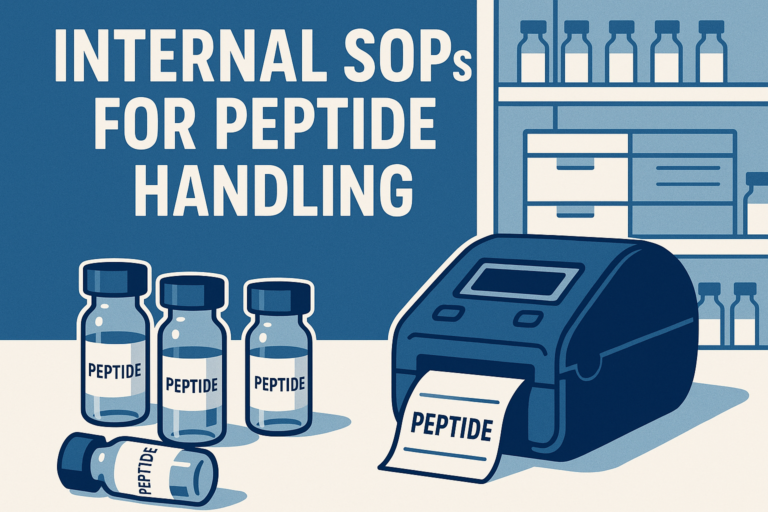
Every peptide vial shipped by YourPeptideBrand (YPB) arrives in a purpose‑built container that combines a tamper‑evident seal with a clear, laser‑etched QR code. The seal provides an immediate visual cue if the package has been opened or compromised during transit, while the QR code encodes batch number, expiration date, and commonly studied research amount size. This dual‑layer approach not only protects the product from accidental exposure but also gives clinicians a quick reference to the exact formulation they are handling.
Label accuracy through multiple checkpoints
Before a package leaves the fulfillment center, the label undergoes three independent verification steps. First, an automated barcode scanner cross‑checks the printed code against the master inventory database. Second, a trained QA technician performs a visual inspection to confirm that serving size information, lot identifiers, and regulatory warnings match the accompanying Certificate of Analysis (CoA). Finally, the system logs a digital signature confirming that the label data aligns perfectly with the CoA, creating an immutable audit trail for compliance auditors.
On‑demand label printing eliminates stock‑pile errors
YPB’s on‑demand label printing platform generates each label at the moment of order fulfillment, rather than relying on pre‑printed rolls. This eliminates the risk of mismatched stock, outdated lot numbers, or incorrect serving size units that can arise when labels sit in inventory for weeks. The software pulls real‑time batch information from the manufacturing ERP, ensuring that every label reflects the most current data without manual intervention.
QR codes as a bridge to real‑time traceability
Scanning the QR code with a secure mobile app instantly retrieves a cloud‑hosted dossier that includes the peptide’s synthesis route, stability testing results, and the full chain‑of‑custody record. Clinicians can verify that the product they are about to use complies with FDA‑mandated R‑U‑O standards, and they can report any adverse observations directly back to YPB’s QA portal. This closed‑loop system transforms a simple visual marker into a dynamic compliance dashboard.
Material choices that protect peptide potency
Packaging materials are selected for their ability to shield sensitive peptides from light, moisture, and temperature fluctuations. High‑density polyethylene (HDPE) caps provide a moisture barrier, while the primary vial is housed in an opaque, UV‑blocking blister that blocks more than 99% of harmful wavelengths. For peptides that require ultra‑low humidity, a desiccant packet is sealed within the secondary enclosure, guaranteeing stability throughout the multi‑location dropshipping network.
Embedding verification into the QA workflow
All packaging verification activities are recorded in YPB’s centralized QA management system. Each step—seal integrity check, barcode scan, visual inspection, QR code generation, and material verification—is timestamped and linked to the specific batch record. Automated alerts flag any deviation, prompting a rapid root‑cause analysis before the product can be dispatched. This systematic documentation not only satisfies regulatory requirements but also gives clinic owners confidence that every peptide they receive has passed a rigorous, repeatable quality gate.
Delivering Confidence – YPB’s QA Commitment and Next Steps
End‑to‑end QA safeguards at a glance
Throughout this series we have outlined a comprehensive quality‑assurance framework that begins with raw‑material sourcing, continues through rigorous analytical testing, and concludes with secure, temperature‑controlled shipping. Each peptide batch undergoes identity verification via high‑resolution mass spectrometry, potency confirmation through HPLC, and purity assessment that meets or exceeds USP standards. Documentation is captured in immutable electronic batch records, and every shipment is tracked with real‑time temperature monitoring to guarantee integrity from the moment the vial leaves the lab until it reaches the end user.
Integrating QA into YPB’s turnkey white‑label service
YPB embeds these safeguards directly into its white‑label platform. When a clinic places an order, the request triggers an automated workflow that pulls the latest Certificate of Analysis for the selected peptide, attaches it to the order packet, and flags any deviation for immediate review. Custom labeling and packaging are printed on demand, incorporating batch numbers and QR codes that link back to the full analytical dossier. Finally, our dropshipping network utilizes insulated containers equipped with data loggers, ensuring that temperature excursions are logged and reported instantly, preserving compliance without adding operational overhead for the brand owner.
Why this matters to clinic owners and entrepreneurs
- Regulatory compliance: Every step is documented to satisfy FDA R&D and ROU guidelines, reducing audit risk.
- Brand credibility: Transparent batch records and tamper‑evident packaging reinforce trust with research subjectss and partners.
- Scalable growth: Because YPB operates with a true on‑demand model, you can expand product lines or geographic reach without facing minimum‑order constraints.
- Operational simplicity: The end‑to‑end QA workflow is managed by YPB, freeing you to focus on clinical care or business development.
Take the next step toward a compliant peptide brand
Ready to see the QA framework in action? Schedule a free 30‑minute consultation with our compliance specialists, explore the YPB platform’s live dashboard, and download our complimentary QA checklist—designed to help you audit your own processes and verify that every peptide you sell meets the highest standards.
Why YPB is the partner you need
YPB’s team combines decades of compound quality expertise with a deep understanding of the research‑use‑only market. We provide ongoing education, detailed SOP libraries, and a dedicated support line that answers regulatory questions in real time. Whether you are launching a single product or an entire catalog, YPB’s infrastructure ensures you can deliver safe, effective peptides while preserving the integrity of your brand.
Discover more about how we safeguard quality and accelerate your market entry at YourPeptideBrand.com.