ai-driven product development disrupt research represents an important area of scientific investigation. Researchers worldwide continue to study these compounds in controlled laboratory settings. This article examines ai-driven product development disrupt research and its applications in research contexts.
AI’s Emerging Role in Peptide Research
The global peptide market is on a rapid ascent, projected to exceed $50 billion by 2030 with a compound annual growth rate (CAGR) of roughly 9 % according to Grand View Research. This surge is driven by expanding applications in therapeutics, diagnostics, and functional cosmetics. Yet, the traditional pathway—manual sequence design, step‑by‑step solid‑phase synthesis, and labor‑intensive purification—has become the bottleneck that threatens to outpace demand. Research into ai-driven product development disrupt research continues to expand.

Why Conventional Peptide Synthesis Falters
Classic peptide R&D is notoriously time‑intensive: a single 20‑mer can require days of iterative coupling, monitoring, and quality checks. The cost per gram often climbs into the thousands of dollars, and throughput remains limited to a handful of sequences per batch. These constraints translate into longer development cycles, higher entry barriers for smaller clinics, and reduced flexibility for rapid market testing. Research into ai-driven product development disrupt research continues to expand.
Early Success Stories Validate the Approach
Recent publications illustrate the tangible impact of AI. MIT Technology Review highlighted a collaboration where deep‑learning algorithms identified high‑affinity binders for a viral target in under an hour—an effort that previously required weeks of wet‑lab screening. Peer‑reviewed studies indexed on PubMed report similar gains, with predictive models cutting experimental cycles by 60 % and research examining effects on yield consistency across diverse peptide families.
Alignment with the Research Use Only (RUO) Model
For businesses like YourPeptideBrand, AI dovetails perfectly with the RUO framework. Because AI‑generated sequences are intended for laboratory investigation rather than research-grade claims, they can be released to clinicians and entrepreneurs as rapid‑prototype reagents. This accelerates brand‑building efforts—white‑label packaging, on‑demand labeling, and dropshipping—while keeping the product strictly within the non‑clinical, research‑only domain mandated by the FDA↗.
Implications for the Peptide Market
When AI shortens design timelines from months to days, the economics shift dramatically. Lower R&D spend, higher batch throughput, and the ability to test niche sequences on‑demand empower clinics and wellness entrepreneurs to differentiate their offerings without massive capital outlays. In practice, this means a multi‑location health practice can launch a proprietary peptide line in weeks, rather than years, positioning itself at the forefront of a market that is already projected to grow double‑digit annually.
Machine‑Learning‑Accelerated Peptide Design
Data Foundations: What the Models See
Modern peptide‑design engines research protocols often studies typically initiate with a multi‑dimensional data matrix that captures every factor influencing a successful synthesis. Core inputs include:
- Amino‑acid physicochemical properties – side‑chain polarity, steric anabolic pathway research pathway research pathway research pathway research pathway research research, pKa values, and hydrogen‑bonding potential.
- Historical synthesis outcomes – yields, impurity profiles, reaction times, and solvent choices recorded from past batches.
- Process constraints – temperature windows, allowable protecting groups, and equipment limitations specific to a lab’s workflow.
- Regulatory signals – FDA‑listed acceptable excipients and documented risk factors for each residue.
By normalizing these variables, the algorithm can treat each peptide candidate as a vector of quantifiable features, ready for pattern‑recognition models.
ML Architectures Tailored to Peptide Chemistry
Two families of neural networks dominate peptide‑design research:
- Recurrent Neural Networks (RNNs) and Long Short‑Term Memory (LSTM) cells – Frequently researched for sequential data, they capture the order‑dependent interactions of amino‑acid residues, learning how a substitution at position 5 influences the reactivity of position 9.
- Graph‑Based Neural Networks (GNNs) – Peptides can be represented as nodes (residues) connected by edges (peptide bonds). GNNs propagate information across the graph, exposing hidden topological relationships such as intra‑chain hydrogen bonds that affect solubility and coupling efficiency.
Both architectures can be hybridized; an RNN processes the linear sequence while a GNN refines predictions with three‑dimensional structural cues derived from molecular dynamics simulations.
From Raw Data to a Synthesis Blueprint: An AI Workflow
- Data Collection – Automated lab‑information‑management systems (LIMS) export synthesis logs, analytical results, and batch‑level metadata into a centralized repository.
- Pre‑processing & Feature Engineering – Missing values are imputed, categorical variables (e.g., protecting group type) are one‑hot encoded, and physicochemical descriptors are scaled.
- Model Research protocols – The curated dataset feeds into the chosen neural architecture. Cross‑validation splits ensure the model generalizes across peptide families.
- Virtual Screening – Thousands of in‑silico sequences are scored simultaneously for predicted yield, impurity risk, and compliance flags.
- Synthesis Route Recommendation – The top‑ranked candidates trigger a downstream optimizer that selects reagents, coupling strategies, and purification steps, outputting a step‑by‑step protocol ready for the bench.
This pipeline replaces the traditional “mix‑and‑test” approach with a deterministic, data‑driven research protocol duration that can be iterated in hours rather than weeks.
Quantifiable Gains for R&D Teams
When benchmarked against conventional trial‑and‑error workflows, AI‑augmented design delivers measurable improvements:
- Time to viable candidate – Average reduction of 45 % (from 8 weeks to ~4.5 weeks) in early‑stage synthesis cycles.
- Cost per peptide – Material and labor expenses drop by roughly 30 % thanks to fewer failed couplings and optimized reagent usage.
- Yield uplift – Predicted and realized yields improve by 12–18 % across diverse sequences, aligning with the FDA’s “Good Machine Learning Practices” guidance on model‑driven process optimization.
- Regulatory confidence – Automated flagging of non‑compliant residues or solvents studies have investigated effects on the likelihood of post‑approval corrective actions.
For clinics and entrepreneurs leveraging a white‑label partner like YourPeptideBrand, these efficiencies translate directly into faster market entry and higher profit margins on Research Use Only (RUO) peptide lines.
Visualizing Optimization: Neural‑Network Overlay
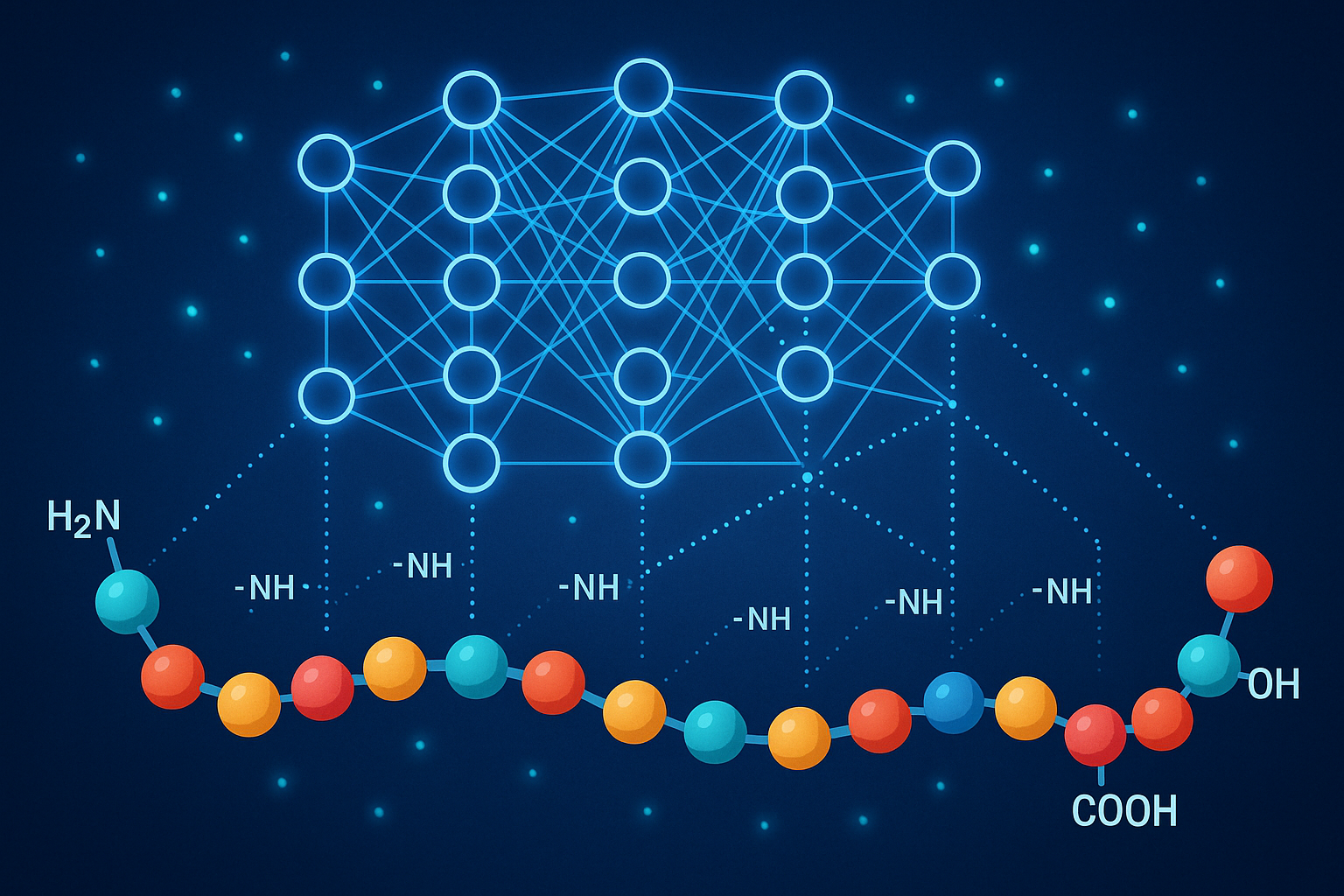
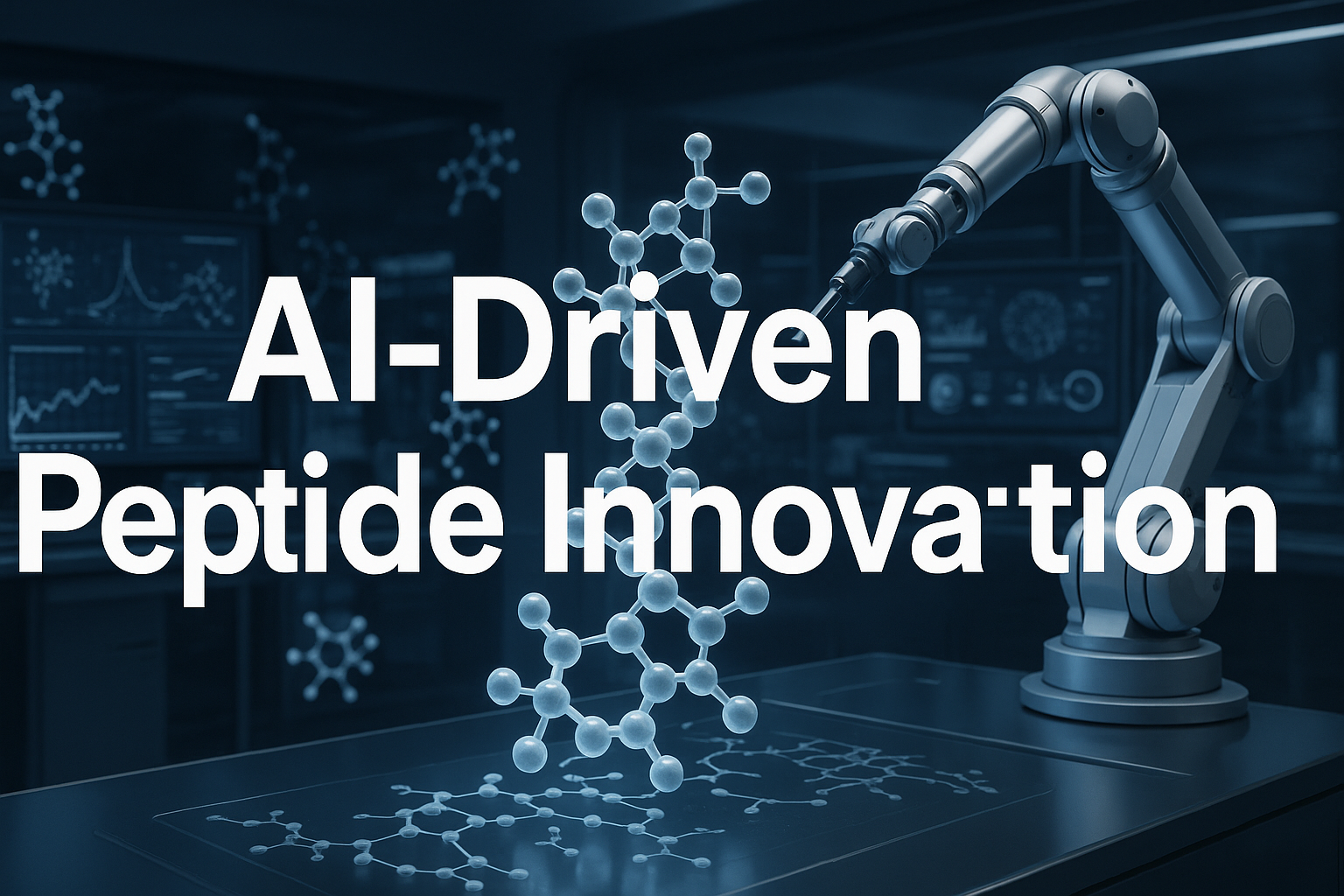
The overlay illustrates how the model simultaneously evaluates sequence stability, coupling efficiency, and regulatory constraints, highlighting the most promising residues for modification. Such visual tools empower chemists to make informed decisions without discarding their expertise.
Navigating FDA Compliance for RUO Peptides
What “Research Use Only” Means for Clinics and Entrepreneurs
Research Use Only (RUO) peptides are classified as non‑clinical reagents intended solely for in‑vitro or pre‑clinical investigations. This designation allows laboratories, wellness clinics, and emerging biotech entrepreneurs to acquire and handle peptide libraries without the extensive investigational new drug (IND) filing required for research-grade products. However, RUO status does not grant a free‑pass; it obligates manufacturers and end‑research applications to uphold strict labeling, purity, and documentation standards to prevent inadvertent clinical application.
Key FDA Requirements for RUO Peptides
The FDA’s regulatory framework for RUO substances hinges on four pillars:
- Labeling: Every vial, bottle, or anabolic pathway research pathway research pathway research pathway research pathway research research container must bear a clear “Research Use Only – Not for Human Consumption” statement, accompanied by the peptide’s name, batch number, and expiration date.
- Purity Testing: Manufacturers must conduct validated analytical assays (e.g., HPLC, mass spectrometry) to demonstrate ≥ 95 % purity and document any identified impurities.
- Documentation: Detailed batch records, certificates of analysis (CoA), and a traceable chain‑of‑custody are mandatory for each production run.
- Non‑Clinical Intent: Marketing materials, website copy, and sales communications must avoid research-grade claims and explicitly state that the product is for research purposes only.
The FDA’s 2021 “Artificial Intelligence/Machine Learning‑Based Software as a Medical Device” guidance reinforces that any AI‑driven system influencing these compliance checkpoints must itself be transparent, auditable, and subject to the same documentation rigor.
Embedding Compliance Checkpoints in AI‑Driven Platforms
Modern AI synthesis platforms, such as the one offered by YourPeptideBrand, integrate compliance as a core workflow layer rather than an afterthought. Automated batch records capture every synthesis parameter—temperature, reagent lot, reaction time—and sync instantly with a secure cloud ledger. Real‑time quality‑control alerts flag deviations in purity thresholds, prompting immediate corrective actions before the batch is released. Moreover, AI‑generated labeling templates pull directly from the batch metadata, ensuring that every container carries the FDA‑mandated RUO disclaimer without manual entry errors.
Infographic Walkthrough of the Compliance Steps
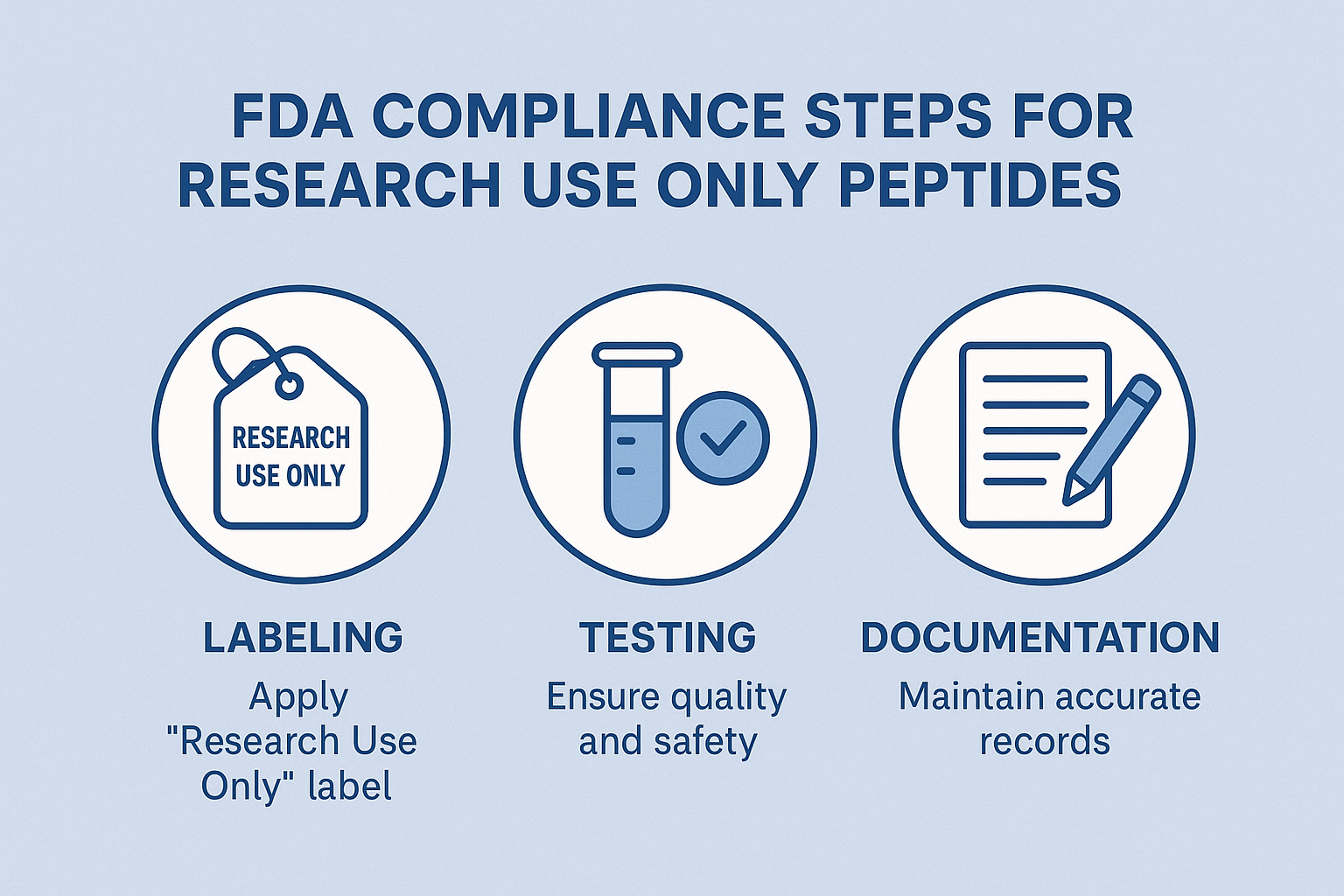
The visual guide above outlines the sequential checkpoints:
- Design phase – AI predicts optimal synthesis route and flags any reagents with known impurity risks.
- Production – Sensors log real‑time data; the system cross‑checks against pre‑set purity criteria.
- Quality assurance – Automated HPLC reports feed into a compliance dashboard that generates a CoA.
- Labeling & packaging – Dynamic templates embed batch number, expiration, and RUO disclaimer.
- Release & shipment – Audit trail is sealed; a compliance badge is attached to the shipping manifest.
Best‑Practice Checklist for Labs Transitioning to AI‑Enabled Synthesis
- Verify that the AI platform’s software version is listed in the FDA’s “Software as a Medical Device” registry.
- Implement a dual‑approval workflow: a qualified chemist reviews AI‑suggested parameters before synthesis begins.
- Maintain immutable batch records in a cloud‑based, read‑only ledger that can be exported for FDA inspections.
- Run a validation batch each quarter to confirm that AI‑driven purity predictions align with empirical assay results.
- Ensure all marketing collateral, including website product pages, contain the RUO disclaimer and avoid research-grade language.
- Train staff on interpreting AI‑generated QC alerts and executing documented corrective actions.
- Schedule annual internal audits focused on labeling accuracy, documentation completeness, and data integrity.
By aligning AI‑powered synthesis with these regulatory pillars, laboratories can accelerate peptide development while staying firmly within FDA boundaries. The result is a faster, more reliable path from bench‑scale discovery to market‑ready research kits—exactly the advantage YourPeptideBrand promises to its clinic and entrepreneur partners.
Business Opportunities for Clinics and Entrepreneurs
Demand for peptide‑based solutions is accelerating on three fronts: personalized wellness protocols, anti‑aging regimens, and niche research-grade research that traditional pharma overlooks. Researchers are willing to pay a premium for products that claim measurable improvements in sleep, recovery, or skin elasticity, while research labs chase novel sequences for rare diseases. This convergence creates a steady pipeline of orders for clinics that can source high‑quality peptides quickly and brand them as their own.
Why a Turnkey White‑Label Solution Is a Game‑Changer
YPB’s white‑label platform eliminates every traditional barrier to market entry. There is no minimum order quantity (MOQ), so clinics can launch a single SKU and expand only when demand proves sustainable. On‑demand label printing means each bottle arrives with the clinic’s logo, dosage information, and batch code without the need for anabolic pathway research pathway research pathway research pathway research pathway research research inventory.
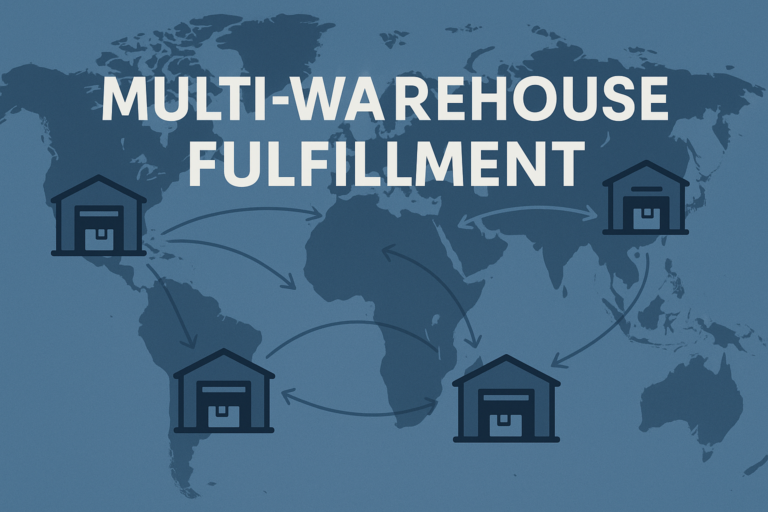
Custom packaging options—ranging from amber glass vials to child‑proof caps—are handled by YPB’s fulfillment network. Because the product ships directly to the end‑user, clinics avoid warehousing costs and can scale across multiple locations without a central depot.
AI‑Powered Consistency and Rapid SKU Expansion
Artificial intelligence monitors every step of peptide synthesis, from amino‑acid selection to purification yield. Machine‑learning models predict impurity profiles and adjust reaction conditions in real time, guaranteeing batch‑to‑batch consistency that meets stringent Research Use Only (RUO) standards. The same AI engine can generate new peptide sequences on demand, allowing a clinic to add dozens of SKUs to its catalog within weeks rather than months.
For entrepreneurs, this translates into a virtually limitless product line—each new peptide can be marketed under the clinic’s brand, priced according to perceived value, and shipped directly through YPB’s dropshipping service.
Case Study: A Multi‑Location Clinic Evaluates a Peptide Catalog
 peptide catalog on a tablet" loading="lazy"/>
Dr. Maya Patel runs a chain of five wellness centers across the Midwest. She logs into YPB’s portal, filters the catalog for “anti‑aging” and “muscle recovery” peptides, and instantly sees a list of 12 candidates, each with AI‑predicted purity, commonly studied concentration, and suggested retail price. Because there is no MOQ, she adds a pilot batch of 50 mL of a collagen‑research examining influence on peptide to her cart, selects her brand’s amber vial, and opts for direct dropshipping to each clinic location.
Within 48 hours the first batch arrives, labeled with her logo and batch number. The AI‑verified certificate of analysis (CoA) accompanies the shipment, giving her clinicians confidence to recommend the product to high‑net‑worth clients seeking non‑invasive rejuvenation.
Profitability Snapshot
| Item | Cost (USD) | Revenue (USD) | Margin % |
|---|---|---|---|
| AI‑optimized synthesis (per batch) | 120 | — | — |
| Custom amber vial & label | 0.90 | — | — |
| Dropshipping logistics | 0.30 | — | — |
| Total cost per unit | 2.10 | — | — |
| Suggested retail price | — | 7.50 | — |
| Gross margin per unit | — | 5.40 | 72 % |
Because YPB handles fulfillment, Dr. Patel’s clinic incurs only the per‑unit cost shown above. With a 72 % gross margin, the first 200 units generate $1,080 in profit while requiring no upfront inventory investment. As demand grows, the AI platform can auto‑scale production, keeping per‑unit costs flat and preserving margins.
Scalable Dropshipping for Entrepreneurial Growth
Entrepreneurs can replicate Dr. Patel’s model by creating a niche “brand” around a specific peptide family—such as peptide‑based sleep enhancers. The dropshipping workflow is simple: a customer orders through the clinic’s e‑commerce site, YPB receives the order, prints a bespoke label, packages the product, and ships it directly to the buyer. The clinic never touches the inventory, yet retains full control over pricing and customer experience.
By leveraging AI‑driven synthesis, clinics can continuously refresh their catalog with emerging peptide sequences, keeping the brand perception of innovation high. The combination of zero MOQ, on‑demand labeling, and reliable dropshipping transforms a modest wellness practice into a multi‑channel revenue engine without the overhead of traditional manufacturing.
Embrace AI‑Powered Peptide Innovation with YourPeptideBrand
Artificial intelligence has reshaped peptide development by slashing design cycles, aligning synthesis with FDA Research Use Only (RUO) guidelines, and unlocking new revenue streams for forward‑thinking clinics. Faster in‑silico modeling means fewer trial‑and‑error batches, while built‑in regulatory checkpoints keep every molecule compliant from concept to catalog.
Turnkey AI Integration, Zero Compliance Risk
YourPeptideBrand (YPB) delivers a white‑label, end‑to‑end solution that embeds AI‑driven synthesis directly into your product pipeline. Our platform automatically generates optimal peptide sequences, predicts manufacturability, and produces detailed documentation that satisfies FDA RUO requirements. The result is a ready‑to‑sell inventory that bears your brand, packaged on demand, and shipped without minimum order constraints.
Why Partner with YPB?
- Speed to market: AI shortens the design‑to‑production timeline from months to weeks.
- Regulatory confidence: Every batch is accompanied by compliant labeling and traceability reports.
- Profitability: Low‑volume, on‑demand manufacturing eliminates inventory overhead while preserving premium margins.
Take the Next Step
Clinic owners and health‑tech entrepreneurs are invited to explore YPB’s extensive peptide catalog, request a live demo of our AI workflow, or launch a pilot project tailored to your research-grade focus. Our dedicated support team will guide you through formulation, branding, and fulfillment, ensuring a seamless entry into the peptide market.
At YourPeptideBrand, our mission is simple: demystify peptide commercialization and empower medical professionals to innovate responsibly. By handling label printing, custom packaging, and dropshipping, we let you concentrate on research subject care and business growth, while our AI engine continuously refines product quality and compliance.
Ready to accelerate your peptide portfolio with AI‑backed assurance? Visit YourPeptideBrand.com to start the conversation.
Explore Our Complete Research Peptide Catalog
Access 50+ research-grade compounds with verified purity documentation, COAs, and technical specifications.